See All
Preferences
My Communities
My Discussions
My Email Digests
Announcements
WebMD Privacy Policy Changes Coming -- Please Read!
New US Diet Guidelines: What Not to Eat
Instead of just giving Americans a list of healthy food choices, the federal government takes a stab at showing us what not to eat. Get the facts here.
What's Happening Now
What do you think has contributed to the decline?
HaylenView Thread
Cholesterol is a vital component to the brain and cognitive skills. Hence my new bumper sticker that delivers this message.
I NEVER SAID THAT THERE WAS A GENERIC FORM OF LIPITOR.
Generic lipitor is not available in the US and will not be available in for several years.
THERE ARE A NUMBER OF COUNTERFEIT MEDS FLOATING AROUND AND I KNOW NOTHING OF THAT OVERSEAS "PHARMACY".
View Thread
BTW, for most people most of their cholesterol is made in the body and ingested from food.
But most foods that have high levels of cholesterol are also high is a type if saturated fat that does causes the body to raise the amount of cholesterol in the body.
But not all. Eggs and some fish have high levels of cholesterol, but low sat. fat levels.View Thread
http://www.livestrong.com/article/272648-liver-function-and-cholesterol-levels/
EffectsHigh cholesterol levels can lead to a buildup of fat in your liver, potentially causing nonalcoholic steatohepatitis, or NASH, also called "fatty liver disease," says the University of Michigan Health System. Although high cholesterol can contribute to NASH, other liver conditions can cause elevated cholesterol levels. For example, liver diseases such as alcoholic hepatitis and cirrhosis can lead to high cholesterol, notes the University of Pittsburgh Medical Center. A condition that involves the destruction of your liver's bile ducts, called primary biliary cirrhosis, can also cause high cholesterol, MayoClinic.com says. In many ways, liver disease and high cholesterol go hand-in-hand.
ConsiderationsMany other factors can contribute to high cholesterol and liver damage. For example, some prescription medications for lowering your cholesterol levels--particularly niacin and statins--can actually damage your liver, says the University of Pittsburgh Medical Center. In addition to liver disease, you can develop high cholesterol levels by eating a diet that's high in saturated fat and trans-fatty acids such as those found in meats, dairy products, fried foods and processed food products, notes UMMC. Excessive alcohol consumption can also affect your liver function, leading to a potential problem in the way your liver regulates cholesterol levels.
I would start by getting a referral to a liver specialist. Maybe at a medical school/teaching hospital.
And depending on what they find a referral to a lipid specialist.
http://www.learnyourlipids.com/find-help/
And ask about one of the advanced lipid test. Sometimes very high levels of HDL are "defective" and not heart protective.
And sometimes the high LDL is not a problem and low is good. It really depends on the apolipoproteins attached to the cholesterol.View Thread
Personified image of cholesterol:
View Thread
Cholesterol of 140 is very low. In relationship to the rest of the world population, your total cholesterol is on the low, low end.
Once total cholesterol drops below 120 you have hypolipidemia. Think of cholesterol as the maintenance crew going out to make bodily repairs and helping build new healthy cells.
I had great luck raising my HDL with eggs. I dropped grains (even whole grains) and ate 2 eggs per day and doubled my HDL. Can't speak for anyone else, but it worked wonders for me.View Thread
Could conflicts of interest like this be happening with cholesterol lowering drugs?
http://www.bmj.com/content/344/bmj.e244View Thread
As I post this I am thinking of " ChessiePK" who fell sick on Crestor in previous postings on this forum.
Listen to Gwen Olsen talk about how Central Nervous System side effects get swept under the rug.
http://www.youtube.com/watch?v=aa957-5lY5QView Thread
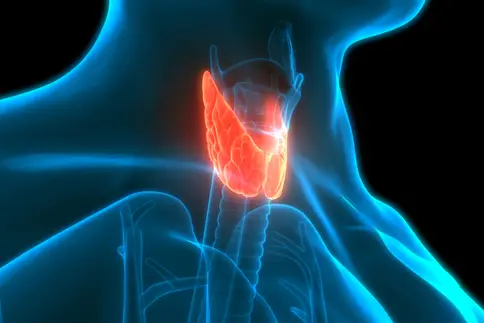
http://thyroid.about.com/cs/symptomsproblems/a/cholesterol.htmView Thread
Cholesterol serves a very important role in maintaining a healthy nervous system.View Thread
http://www.youtube.com/watch?v=ymDCWPQ0vWw
BobbyView Thread
It is not advised to stop any treatment cold turkey without being under the care of a medical professional. You can also contact your pharmacist about medication doses.
HaylenView Thread
I do remember now hearing that half discontinue statins after one year, or something like that.
These drugs are wildly profitable, so the drug company would probably prefer you stay on them for life. I doubt they care if you swallow them or not, as long as you keep on buying them.
Sales is sales. Its aggressive.View Thread
As the old saying goes, "a good salesman can sell a refrigerator to an Eskimo." Selling statins to perfectly healthy 55 year old without cardiovascular disease is a perfect example.View Thread
Here is a link that might provide some helpful information:
Tips for Getting Your Child Off the Couch
Also, you can find great recipes here that are meatless or use turkey, chicken and fish:
WebMD Health & Cooking
You're being a great parent to help your child now and set good habits for life - the whole family can get healthier along with him!
HaylenView Thread
Whats wrong with doing periodic ultrasounds of arteries of patients being treated with statins?
View Thread
Women's Health Newsletter
Find out what women really need.
Featuring Experts
There are no Expert stories for this community right nowHelpful Tips
Helpful Resources
Related News
Related Drug Reviews
- Drug Name User Reviews
Report Problems to the
Food and Drug Administration
You are encouraged to report negative side effects of prescription drugs to the FDA. Visit the FDA MedWatch website or call 1-800-FDA-1088.
Other Cholesterol Management Information
More Related Communities
The opinions expressed in WebMD User-generated content areas like communities, reviews, ratings, or blogs are solely those of the User, who may or may not have medical or scientific training. These opinions do not represent the opinions of WebMD. User-generated content areas are not reviewed by a WebMD physician or any member of the WebMD editorial staff for accuracy, balance, objectivity, or any other reason except for compliance with our Terms and Conditions. Some of these opinions may contain information about treatments or uses of drug products that have not been approved by the U.S. Food and Drug Administration. WebMD does not endorse any specific product, service, or treatment.
Do not consider WebMD User-generated content as medical advice. Never delay or disregard seeking professional medical advice from your doctor or other qualified healthcare provider because of something you have read on WebMD. You should always speak with your doctor before you start, stop, or change any prescribed part of your care plan or treatment. WebMD understands that reading individual, real-life experiences can be a helpful resource, but it is never a substitute for professional medical advice, diagnosis, or treatment from a qualified health care provider. If you think you may have a medical emergency, call your doctor or dial 911 immediately.
Health Solutions From Our Sponsors
©2005-2012 WebMD, LLC. All rights reserved.
WebMD does not provide medical advice, diagnosis or treatment. See additional information.