







See All
Preferences
My Communities
My Discussions
My Email Digests

I didn't wait for a doctor to diagnose me. I knew I had FM years before I had an actual diagnosis. Then I pretty much told my doctors I have it. Of course, I still had all the blood tests to rule anything else out.
He did have a point about the meds you're on, however. Those are some of the meds often prescribed for FM. I'd encourage you to research all the meds and if you think there's a better fit, then present your doctor with that request. In my experience, many doctors know very little about FM so we usually have to educate them anyway.
I agree, though, that he could have been more understanding and handled the appointment better.
Unfortunately, I don't think many of us have had hugely enlightening visits with our doctors, even the good ones. Mainly this is because there is no magic bullet or quick treatment. Most of us figure out lifestyle changes that help us cope. This site is one of the best resources I've come across. Not only is there good medical advice, but the experience of others is invaluable.
One thing I have found that helps with brain fog is to cut out most sugar and to eat a higher protein diet. I don't even eat most grains. For me, this is especially important for breakfast. And getting in even a little bit of exercise can also help, although I know how hard that can be.
I hope you can figure some things out!View Thread

My husband and I both have health issues that are difficult to have and difficult to be married to! In a way that's been a blessing because we have a deeper empathy for each other. He can't expect me to be 100% all the time because he isn't.
I think it's important to be very open about the issues and that includes yours too. You have a right to feel bad and frustrated about her health issues. But it's good to keep all conversations calm and constructive.
It sounds like she hasn't found a way to get some relief or a way to cope well. That can be a long process and very hard. But once she does, life will get easier.View Thread

If you think it's more serious, though, see your doctor. FM can cause very tender points that an underwire could dig into. Of course, you should contact your doctor if you think it's more serious.View Thread

I hope you find something that helps.View Thread

It sounds worse in writing than when she said it, but it is true. We are in pain, no matter what. I've learned that I'll be in pain if I exercise or don't exercise, if I stay on the couch or go out with friends.
It's not something that's easy to swallow but I think most of us have a similar epiphany. I still have plenty of days where I'm depressed and angry about FM but overall I have accepted this. I think it's good to tell new patients what you have said before, regarding the steps of grieving. It's kind of inevitable that we go through those steps. Eventually, we all must learn what our "new" life with FM entails.
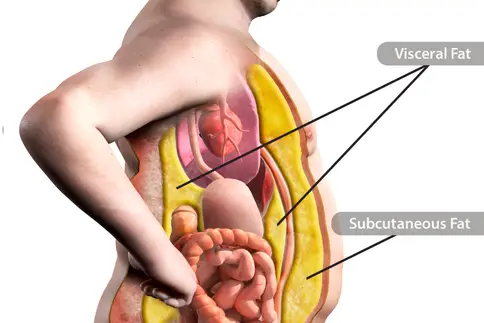
The one thing I really wish doctors were better about explaining, is the trouble with weight gain many of us have. I think many still believe weight gain is only because of inactivity. Here, we all know that's untrue. But I think patients need to have more awareness of the possible weight gain side-effects of many medications. If I had known more about that, I wouldn't have started a couple of meds that have put me into a 3 year fight to lose the weight they made me gain.View Thread

Look into studies done where people with FM (or supposed FM) had functional mri's, along with people without FM. When a small pain stimulous was given, the people with FM had areas of the brain that process pain light up (or react, I don't know the technical terms) in a larger degree than the non FMer's.
You're going to get a lot of people's personal stories but I'm going to lay out mine in a non emotional way. I have had pain daily for most of my life (I'm 29). I had a great childhood that included no trauma, physical or emotional. I was active and an above average student with a good social life. I have had many tests that have ruled out other conditions that can cause pain. To this day, I exercise 4-5 days per week doing spinning and indoor rock climbing. I eat very healthy. I have a job and am in a stable relationship. So what's your answer for me?
I am not angry at your post. You obviously work with people in pain and that must be difficult. I don't care when people don't believe that I have FM, all I care about is that I have chronic pain, you can call it what you want. You will find that people on this site are some of the most informed and educated people regarding their health. I have had doctor's visits where I informed my doctor of the differences in antidepressants and what chemicals they effect. And I believe that is the norm for many people with FM.
I may be dumb for actually responding to your comment, others here have probably dismissed it as a joke and not worth their time, as FM is a recognized "condition" within medicine. But you asked for a clinical study--look into the one I described. If I can find a link describing it, I will post it. Again, my reply to you is not given in anger or emotion. I think you have some valid points about overmedicating and doctors not giving patients' time and effort. But that is a problem in the medical community, not with patients.View Thread

Look into studies done where people with FM (or supposed FM) had functional mri's, along with people without FM. When a small pain stimulous was given, the people with FM had areas of the brain that process pain light up (or react, I don't know the technical terms) in a larger degree than the non FMer's.
You're going to get a lot of people's personal stories but I'm going to lay out mine in a non emotional way. I have had pain daily for most of my life (I'm 29). I had a great childhood that included no trauma, physical or emotional. I was active and an above average student with a good social life. I have had many tests that have ruled out other conditions that can cause pain. To this day, I exercise 4-5 days per week doing spinning and indoor rock climbing. I eat very healthy. I have a job and am in a stable relationship. So what's your answer for me?
I am not angry at your post. You obviously work with people in pain and that must be difficult. I don't care when people don't believe that I have FM, all I care about is that I have chronic pain, you can call it what you want. You will find that people on this site are some of the most informed and educated people regarding their health. I have had doctor's visits where I informed my doctor of the differences in antidepressants and what chemicals they effect. And I believe that is the norm for many people with FM.
I may be dumb for actually responding to your comment, others here have probably dismissed it as a joke and not worth their time, as FM is a recognized "condition" within medicine. But you asked for a clinical study--look into the one I described. If I can find a link describing it, I will post it. Again, my reply to you is not given in anger or emotion. I think you have some valid points about overmedicating and doctors not giving patients' time and effort. But that is a problem in the medical community, not with patients.View Thread

In one of Dr. Oz's books, he says it's interesting that people are almost always willing to cut themselves and other people slack for making mistakes----except when it comes to our diet. This is so true! So even if you eat something bad, forget about it and move on to the next hopefully healthier meal. Or treat yourself to the foods you like, but in small portions.
You've obviously been eating well, in order to lose the weight you did. You probably know the feeling of satisfaction you can have when you know you're eating right. Maybe think about how good that feels.
I understand that exercise can cause more pain but for me it's worth it. I find that walking can flare me up pretty badly--mostly because of how fast I need to walk to get my heart rate up. I try to use ellipticals or stationary bikes. Of course, those can be expensive or necessitate a gym membership.
What you may want to try, too, is interval training. When you're walking, do about 30 seconds (or less if you need) of higher intensity, then take 90-120 seconds to recover, then do it all again. I do this 8 times which means around 20 minutes (you can do it fewer times). This method can really rev up your metabolism using less time than traditional exercise. And you don't need to do this daily, just a couple times per week.
I hope you're feeling better!View Thread

Many of us with FM can't even fathom working the hours you do! I work part-time and still feel a little overwhelmed.
And, of course, the answer nobody wants, is that even with treatment many of us still experience fog and fatigue. The goal is to lessen the affects.
I hope you're able to find some answers.View Thread

I have had FM most of my life and looking back on my teen years, I see that I probably was already having the affects of the problem with weight. Admittedly, I am built a little larger--I have large wrists, hips, ankles, etc. I was always in a healthy weight range but at the top. When I was about 16 I decided to really try to lose weight. Of course, it was the 90's (yes, I'm only 29) and so the craze was to eat low fat. I think I'm still suffering the consequences of that diet! I did lose some weight, but now I believe mostly through exercise.
I then stayed about the same weight for 6 or 7 years, within 10 pounds or so. I ate moderately and exercised some, though not as much as I should have. Then, I started taking meds for FM that made me gain 30 pounds in a 6-8 week time period. Since then, I have struggled to lose weight.
My point is that this whole time I've been holding on to the way I used to be able to eat: moderately and sensibly. I tried to eat lean meats, lots of veggies, and high fiber grains. But still to no avail.
Lately, I've done some research and modified my diet some. I'm actually eating some higher fat proteins and have mostly cut out grains/carbs. Dr. Pellegrino has additional information to the words that Caprice quoted above. Here's the link: http://www.prohealth.com/library/showarticle.cfm?libid=12301
He recommends always eating at least a little bit of protein first. I've put this into practice and I have to say that I have seen a difference. And doing that really helps curb cravings for sugar.
I've had to change my mindset and not necessarily listen to what other people say is healthy. Yes, I believe that whole grains and things like quinoa are good, but not necessarily good for me. I would have a worse weight problem if I was a vegetarian, yet that is seemingly universally touted as the healthiest lifestyle. I have to be careful about how much fruit I eat, too, and now I always eat some cashews before an apple or some cheese before an orange.
I really keep track of how I feel, especially blood sugar wise, and go from there. I have stopped tracking calories and go by how I feel. I think I have already lost a couple of pounds and I'm hoping to lose more. But I have to say that I have felt better during the day, mostly because my blood sugars are staying better regulated.
I guess my point is that I think I'm actually listening to my body and it seems to be working. But, of course, everyone is different and everyone needs to figure out what their bodies need and don't need.
I think there needs to be more awareness in the medical community about this problem. Maybe doctors should not be so quick to prescribe meds that are known to cause weight gain--or at least be able to inform their patients. And as yet there doesn't seem to be much in the way of solutions for this problem, although it sounds like we're getting closer to the reasons.View Thread
See Related Pain Management Communities
Women's Health Newsletter
Find out what women really need.
Other Fibromyalgia Information
More Related Communities
The opinions expressed in WebMD User-generated content areas like communities, reviews, ratings, or blogs are solely those of the User, who may or may not have medical or scientific training. These opinions do not represent the opinions of WebMD. User-generated content areas are not reviewed by a WebMD physician or any member of the WebMD editorial staff for accuracy, balance, objectivity, or any other reason except for compliance with our Terms and Conditions. Some of these opinions may contain information about treatments or uses of drug products that have not been approved by the U.S. Food and Drug Administration. WebMD does not endorse any specific product, service, or treatment.
Do not consider WebMD User-generated content as medical advice. Never delay or disregard seeking professional medical advice from your doctor or other qualified healthcare provider because of something you have read on WebMD. You should always speak with your doctor before you start, stop, or change any prescribed part of your care plan or treatment. WebMD understands that reading individual, real-life experiences can be a helpful resource, but it is never a substitute for professional medical advice, diagnosis, or treatment from a qualified health care provider. If you think you may have a medical emergency, call your doctor or dial 911 immediately.
Health Solutions From Our Sponsors
©2005-2013 WebMD, LLC. All rights reserved.
WebMD does not provide medical advice, diagnosis or treatment. See additional information.