






See All
Preferences
My Communities
My Discussions
My Email Digests

You had no fruit on your list. I recommend you rely more on fresh fruit for snacks rather than packaged foods, especially to displace sweet snacks like the cakes.
You have very few vegetables both in quantity and variety. Aim for much more vegetables. ~3.5 cups a day. Try including the carrots in your afternoon snacks, but have a different variety of vegetables at dinner. Try to consume about 3 cups a week of dark greens such as spinach, dark lettuces, and broccoli.
Try to consume much less sugary beverages and snacks. The recommended limit for *added* sugars is 25-30 grams a day. This does not include the sugars naturally in fruit or milk, only added sugars. An 8 oz soda already exceeds this goal: soda should only be a sometimes beverage.
Your sodium intake may be high from the fast food. Calcium appears probably low.
You would probably benefit from looking at the healthy food pattern at http://www.choosemyplate.gov/supertracker-tools/daily-food-plans.html . Depending on your activity level, you should probably choose the 2600 Calorie (more or less) food plan.
If you enter your daily intake into a tool like my http://www.choosemyplate.gov/supertracker-tools/supertracker.html or fitday.com, or myfitnesspal.com , it will help you to see what nutrients you are lacking.View Thread


Here is a great resource on B12 for Vegans (so for people who do not consume dairy or eggs) http://www.vrg.org/nutrition/b12.php .
Iron is a bit more of a challenge because non-heme iron does not absorb as well. Consequently, the RDA for adult females is 32 mg/day which is quite a bit. The dairy and egg contribute a small amount. However, there are many good vegetarian sources, mainly beans and dark greens. Also, many grain foods, especially cereals have high levels of fortification, so it may not be too hard to achieve. Again, VRG.org provides an excellent resource: http://www.vrg.org/nutrition/iron.php
Still for both of those nutrients, many people (vegetarian or not) can be poor absorbers of those nutrients. In that case supplementation may be necessary. There is no harm in adding a B12 supplement as insurance. However, you should NOT supplement with iron unless a blood test confirms there is a problem.
The VRG site also has a good article on getting enough protein: http://www.vrg.org/nutrition/protein.phpView Thread


First, there are over 100 kinds of arthritis. Some types of arthritis may respond to certain foods while others do not. And there are individual variations. The Arthritis Foundation says that some people experience mild allergic reactions to certain foods which aggravate their arthritic condition, but those reactions do not happen to all people. In fact, the Arthritis Foundation answers your question as follows, "How can you tell if certain foods are influencing your arthritis? Stop eating them — for a while — and note whether symptoms improve."
But there are a few common themes to anti-inflammation and diet. Omega-3 fats such as from fatty fish, walnuts, and flaxseed are generally considered anti-inflammatory. Since this type of fat is essential for health anyway, it can't hurt to try to add more of the fats to your diet.
There is considerable controversy over the role of Omega-6 fats and inflammation. Since most people generally get more omega-6 fat than recommended, it probably won't hurt to try to reduce your omega-6 fat intake to see if it helps. To reduce omega-6 fat in your diet, change high omega-6 oils like safflower, corn, and sunflower oils for lower omega-6 oils such as olive oil.
Brightly colored fruits and vegetables, notably cherries and other foods with anthocyanins, appear to have some anti-inflammatory effects. Again, since these are generally healthy foods, it would not hurt to try to incoroparate more.
Another area of considerable controversy is whether white flour and sugar have a role in inflammation. Again, since these are foods for which there are already compelling reasons to limit, it wouldn't hurt to try. In particular, there is some evidence that changing from refined flour to whole grain intake reduces inflammation. However, many people feel that grains are inflammatory for them, whole or not. (Which returns you to the Arthritis Foundation advice of "try it and see what happens.")
Then, there are spices. Similar to brightly colored foods, some strongly flavored or colored spices such as ginger, cumin, and turmeric are thought to have anti-inflammatory properties. There are varied levels of scientific support for using these spices to reduce inflammation. However, they do no harm and enhance your food, so they are worth trying.
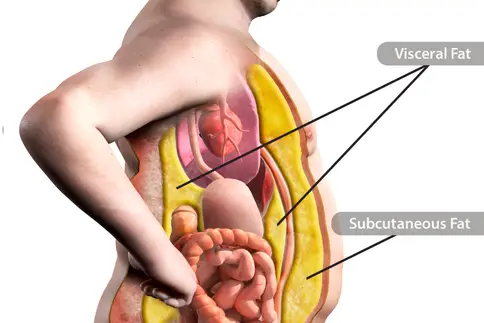
Finally, probably the strongest evidence of food related reduction in inflammation comes from losing excess body fat. Reducing your body weight can often bring significant relief for some kinds of arthritic pain.View Thread


Here is the official site for DASH.
http://www.nhlbi.nih.gov/health/health-topics/topics/dash/
There are a few off-shoots from it that might have questionable alterations.View Thread


Keep in mind olives are very high in sodium. "A few olives" could easily have more sodium than a sprinkle of salt.View Thread
See Related Eating & Diet Communities
Women's Health Newsletter
Find out what women really need.
Other Food & Cooking Information
More Related Communities
The opinions expressed in WebMD User-generated content areas like communities, reviews, ratings, or blogs are solely those of the User, who may or may not have medical or scientific training. These opinions do not represent the opinions of WebMD. User-generated content areas are not reviewed by a WebMD physician or any member of the WebMD editorial staff for accuracy, balance, objectivity, or any other reason except for compliance with our Terms and Conditions. Some of these opinions may contain information about treatments or uses of drug products that have not been approved by the U.S. Food and Drug Administration. WebMD does not endorse any specific product, service, or treatment.
Do not consider WebMD User-generated content as medical advice. Never delay or disregard seeking professional medical advice from your doctor or other qualified healthcare provider because of something you have read on WebMD. You should always speak with your doctor before you start, stop, or change any prescribed part of your care plan or treatment. WebMD understands that reading individual, real-life experiences can be a helpful resource, but it is never a substitute for professional medical advice, diagnosis, or treatment from a qualified health care provider. If you think you may have a medical emergency, call your doctor or dial 911 immediately.
Health Solutions From Our Sponsors
©2005-2013 WebMD, LLC. All rights reserved.
WebMD does not provide medical advice, diagnosis or treatment. See additional information.