





Red Meat
Do you have to give up red meat to have heart-health? I don't think so, but you do...
Posted by Joe Piscatella
Do you have to give up red meat to have heart-health? I don't think so, but you do have to make changes from the typical American diet. Here's what I do:
First, I don't eat it very often, perhaps twice a month.
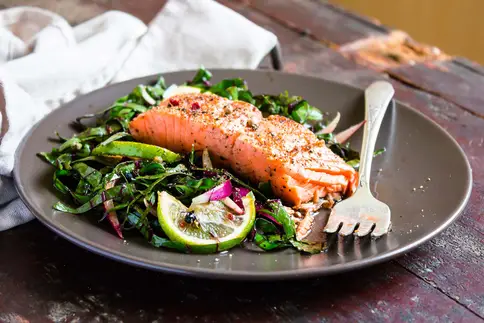
Next, when I do eat it, I look for cuts that are labeled "loin" or "round." A sirloin steak or or a pork tenderloin are acceptable cuts. So is flank steak. It is the high-fat cuts (crown roast, spare ribs and such) that should be avoided.
And finally, I try to eat a realistic portion size. A serving of red meat should be about the size of a woman's palm, or a deck of cards or audio cassette.
Remember, moderation in all things.View Thread
Posted byJoe Piscatella
First, I don't eat it very often, perhaps twice a month.
Next, when I do eat it, I look for cuts that are labeled "loin" or "round." A sirloin steak or or a pork tenderloin are acceptable cuts. So is flank steak. It is the high-fat cuts (crown roast, spare ribs and such) that should be avoided.
And finally, I try to eat a realistic portion size. A serving of red meat should be about the size of a woman's palm, or a deck of cards or audio cassette.
Remember, moderation in all things.View Thread
0 Replies
| ReplyReply
| Watch This DiscussionReport This| Share this:Red Meat Do you have to give up red meat to have heart-health? I don't think so, but you do...
Thanks for your Reply!

Reply: heart hypochondriac
When I see my doctor for an annual physical, we always test for the basics:...
Posted by Joe Piscatella
When I see my doctor for an annual physical, we always test for the basics: cholesterol, LDL, HDL, trigylycerides, CRP and Glucose or A1C. Once a year I also have a stress test. If you have good results with these tests, you probably do not have to worry. Just continue to eat healthy, exercise regularly, not smoke and manage stress.
But because heart disease today is about the stability of coronary artery blockages rather than just the size of them, you may want to discuss a new test - called PLAC - with your doctor. It is often predictive of instability in blockages which could lead to a heart attack. As always, good communication with your doctor is a key to managing heart health successfully.View Thread
Posted byJoe Piscatella
But because heart disease today is about the stability of coronary artery blockages rather than just the size of them, you may want to discuss a new test - called PLAC - with your doctor. It is often predictive of instability in blockages which could lead to a heart attack. As always, good communication with your doctor is a key to managing heart health successfully.View Thread
5 Replies
| ReplyReply
| Watch This DiscussionReport This| Share this:heart hypochondriac When I see my doctor for an annual physical, we always test for the basics:...
Thanks for your Reply!

Red Yeast Rice: Buyer Beware!
I've had a number of people at my seminars say to me, "I don't want to take a statin...
Posted by Joe Piscatella
I've had a number of people at my seminars say to me, "I don't want to take a statin drug for my cholesterol because I'm concrned about side effects. Instead, I'm taking red yeast rice." Indeed, sales of red yeast rice in the U.S. are up 80% from 2005 to 2008.
I have two concerns with this thinking. First, an active ingredient in red yeast rice is monacolin, which is also an active ingedient in lovastatin, a cholesterol-lowering drug. So in effect, red yeast rice is a drug.
Next, studies show that red yeast rice is largely unregulated and lacks the quality controls of prescription medications. In a recent study of 12 popular brands, four samples contained citrinin, which can damage the kidneys. In addition, the monacolin levels in these brands ranged from 0.31 mg to 11.5 mg per capsule, so you may not even be getting the same dosage in each capsule.
The bottom line: if your cholesterol is too high, try diet and exercise first. Then, if you need pharmacological help, talk to your doctor about taking a statin drug that is well regulated. Red yeast rice, classified as a "dietary supplement" from China, is too much of a wild card for me.
View Thread
Posted byJoe Piscatella
I have two concerns with this thinking. First, an active ingredient in red yeast rice is monacolin, which is also an active ingedient in lovastatin, a cholesterol-lowering drug. So in effect, red yeast rice is a drug.
Next, studies show that red yeast rice is largely unregulated and lacks the quality controls of prescription medications. In a recent study of 12 popular brands, four samples contained citrinin, which can damage the kidneys. In addition, the monacolin levels in these brands ranged from 0.31 mg to 11.5 mg per capsule, so you may not even be getting the same dosage in each capsule.
The bottom line: if your cholesterol is too high, try diet and exercise first. Then, if you need pharmacological help, talk to your doctor about taking a statin drug that is well regulated. Red yeast rice, classified as a "dietary supplement" from China, is too much of a wild card for me.
View Thread
5 Replies
| ReplyReply
| Watch This DiscussionReport This| Share this:Red Yeast Rice: Buyer Beware! I've had a number of people at my seminars say to me, "I don't want to take a statin...
Thanks for your Reply!

Reply: New Stent Recipient and Scared
Hi John, It is quite normal to feel vulnerable because of heart disease. I know I...
Posted by Joe Piscatella
Hi John,
It is quite normal to feel vulnerable because of heart disease. I know I did when I went through bypass surgery at age 32. I remember taking a walk to the mailbox during my recovery and experiencing pain in my chest. It was only a stitch, but I thought it was a heart attack.
After being anxious and tentative for a few weeks, I figured out that I wasn't going to move forward until I developed a more positive attitude. That, I think, should be one of your priorities also.
Look at it this way. You are here and alive. You are lucky that the stent technology was available to you and that the history of medicated stents is so good. You didn't have a heart attack and experience damage. In a word, you are darn lucky! You are in a position to improve your diet and exercise to keep heart disease from your future.
I would suggest two things to you. First, enroll in a cardiac rehabilitation program at your local hospital. They will guide you through lifestyle changes. Next, please take a look at my book entitled POSITIVE MIND, HEALTHY HEART. It is all about developing the positive mindset needed to live a healthy life.
Bes of luck, John.
And finally, put your energy intoView Thread
Posted byJoe Piscatella
It is quite normal to feel vulnerable because of heart disease. I know I did when I went through bypass surgery at age 32. I remember taking a walk to the mailbox during my recovery and experiencing pain in my chest. It was only a stitch, but I thought it was a heart attack.
After being anxious and tentative for a few weeks, I figured out that I wasn't going to move forward until I developed a more positive attitude. That, I think, should be one of your priorities also.
Look at it this way. You are here and alive. You are lucky that the stent technology was available to you and that the history of medicated stents is so good. You didn't have a heart attack and experience damage. In a word, you are darn lucky! You are in a position to improve your diet and exercise to keep heart disease from your future.
I would suggest two things to you. First, enroll in a cardiac rehabilitation program at your local hospital. They will guide you through lifestyle changes. Next, please take a look at my book entitled POSITIVE MIND, HEALTHY HEART. It is all about developing the positive mindset needed to live a healthy life.
Bes of luck, John.
And finally, put your energy intoView Thread
95 Replies
| ReplyReply
| Watch This DiscussionReport This| Share this:New Stent Recipient and Scared Hi John, It is quite normal to feel vulnerable because of heart disease. I know I...
Thanks for your Reply!

Reply: What Gets in the Way?
I would add "stress management" to your list.
Posted by Joe Piscatella
I would add "stress management" to your list.View Thread
Posted byJoe Piscatella
12 Replies
| ReplyReply
| Watch This DiscussionReport This| Share this:What Gets in the Way? I would add "stress management" to your list.
Thanks for your Reply!

The "No-Fat" Experts Were Wrong
It has always seemed to me that eating a healthy diet was all about balance. And...
Posted by Joe Piscatella
It has always seemed to me that eating a healthy diet was all about balance. And while the high-fat, high-calorie modern American diet (think cheeseburgers and French fries) is clearly not a healthy model, I've never subscribed to the extremely low-fat or no-fat recommendations of many "experts."
After my bypass surgery, when I began to change the way I ate, I rejected both extremes. Instead, I decided to eat a diet based on the Meditterranean diet. It was centered on fruits, whole grains, vegetables, olive oil and fish, but included red meat and cheese from time to time. The result was that my diet was neither no-fat nor high-fat, but somewhere in the middle. And research is now suggesting that that's where we should have been all along.
When "cholesterol-mania" hit the U.S. in the 1990's, people cut fat consumption dramatically, the result of the media message to eat low-fat. But instead of replacing those fats with fruits, whole grains and veggies, many people opted for fat-free versions of muffins and chips. Such foods may have been free of fat, but they were high in calories. And the fact is that when fats are replaced with sugar and other refined carbohydrates, you gain weight. And with weight gain comes an elevated risk for heart disease.
So, instead of helping to reduce heart disease, the no-fat recommendations may bear much responsibility for the twin epidemics of obesity and heart disease currently found in the U.S. According to the American Dietetic Association, the data show that our emphasis today should be on replacing saturated and trans fats with monounsaturated and polyunsaturated fats. It's not so much a question, then, of how little fat you can eat, but in how successful you are in displacing unhealthy fats with healthier ones.
View Thread
Posted byJoe Piscatella
After my bypass surgery, when I began to change the way I ate, I rejected both extremes. Instead, I decided to eat a diet based on the Meditterranean diet. It was centered on fruits, whole grains, vegetables, olive oil and fish, but included red meat and cheese from time to time. The result was that my diet was neither no-fat nor high-fat, but somewhere in the middle. And research is now suggesting that that's where we should have been all along.
When "cholesterol-mania" hit the U.S. in the 1990's, people cut fat consumption dramatically, the result of the media message to eat low-fat. But instead of replacing those fats with fruits, whole grains and veggies, many people opted for fat-free versions of muffins and chips. Such foods may have been free of fat, but they were high in calories. And the fact is that when fats are replaced with sugar and other refined carbohydrates, you gain weight. And with weight gain comes an elevated risk for heart disease.
So, instead of helping to reduce heart disease, the no-fat recommendations may bear much responsibility for the twin epidemics of obesity and heart disease currently found in the U.S. According to the American Dietetic Association, the data show that our emphasis today should be on replacing saturated and trans fats with monounsaturated and polyunsaturated fats. It's not so much a question, then, of how little fat you can eat, but in how successful you are in displacing unhealthy fats with healthier ones.
View Thread
0 Replies
| ReplyReply
| Watch This DiscussionReport This| Share this:The "No-Fat" Experts Were Wrong It has always seemed to me that eating a healthy diet was all about balance. And...
Thanks for your Reply!

Reply: Lemonade Diet
We have had over 70 years of quick weight-loss diets. If a single one had worked -...
Posted by Joe Piscatella
We have had over 70 years of quick weight-loss diets. If a single one had worked - if Cabbage Soup had worked - we'd be a nation of skinny folks. But we are not.
Most crash diets are simply ineffective (i.e., short-term weight loss, mostly water, and long-term weight gain, body fat. But some are dangerous to health as well.
Anyone in your mother's condition would be foolish to try this. Instead, she should get checked out by her physician, determine an exercise program that works (perhaps a stationary bike) and concentrate on eating vegetables, fruits and whole grains. There are no magic pills, potions or diets that lead to permanent results.View Thread
Posted byJoe Piscatella
Most crash diets are simply ineffective (i.e., short-term weight loss, mostly water, and long-term weight gain, body fat. But some are dangerous to health as well.
Anyone in your mother's condition would be foolish to try this. Instead, she should get checked out by her physician, determine an exercise program that works (perhaps a stationary bike) and concentrate on eating vegetables, fruits and whole grains. There are no magic pills, potions or diets that lead to permanent results.View Thread
4 Replies
| ReplyReply
| Watch This DiscussionReport This| Share this:Lemonade Diet We have had over 70 years of quick weight-loss diets. If a single one had worked -...
Thanks for your Reply!

Reply: What Gets in the Way?
Thanks so much for sharing your story & congratulations on your progress. It's...
Posted by Joe Piscatella
Thanks so much for sharing your story & congratulations on your progress. It's too bad that so many of us have to have a threatenting experience (I call them "teachable moments") before the light goes on regarding healthy lifestyle habits. Sure wish I had learned about healthy living for prevention rather than rehabilitation.View Thread
Posted byJoe Piscatella
12 Replies
| ReplyReply
| Watch This DiscussionReport This| Share this:What Gets in the Way? Thanks so much for sharing your story & congratulations on your progress. It's...
Thanks for your Reply!

What Gets in the Way?
Ever since my bypass surgery at age 32, I've been more interested in lifestyle...
Posted by Joe Piscatella
Ever since my bypass surgery at age 32, I've been more interested in lifestyle habits than genetic makeup. To be sure, my genes lean toward high cholesterol and heart disease. But I couldn't change my parents, so why worry about genetics? Instead, I relied on living healthy...and it has worked. I'm now 33 years post-bypass.
One of the big differences between today and 33 years ago is that there is so much more information available about diet and exercise. As a result, we've become a knowledgable people. We know the difference between an apple and a piece of apple pie, between going out dancing and watching Dancing with the Stars. The problem is that many people just don't put the information to work.
Something gets in the way. I think chronic stress is the biggest factor. You might know about the Food Pyramid, for example, but when under stress, M&M's are lunch! When you are under stress, chances are that you'll miss your workout or light up a cigarette.
What keeps you from living a heart-healthy lifestyle?
View Thread
Posted byJoe Piscatella
One of the big differences between today and 33 years ago is that there is so much more information available about diet and exercise. As a result, we've become a knowledgable people. We know the difference between an apple and a piece of apple pie, between going out dancing and watching Dancing with the Stars. The problem is that many people just don't put the information to work.
Something gets in the way. I think chronic stress is the biggest factor. You might know about the Food Pyramid, for example, but when under stress, M&M's are lunch! When you are under stress, chances are that you'll miss your workout or light up a cigarette.
What keeps you from living a heart-healthy lifestyle?
View Thread
12 Replies
| ReplyReply
| Watch This DiscussionReport This| Share this:What Gets in the Way? Ever since my bypass surgery at age 32, I've been more interested in lifestyle...
Thanks for your Reply!