


See All
Preferences
My Communities
My Discussions
My Email Digests
Like anything else, too much or too little of something is not always good for us. When done in moderation, exercise is unlikely to impact our ability to conceive. The body needs a certain amount of body fat to reproduce, and too little body fat can cause women not to ovulate regularly and can even cause complete cessation of menses. This can cause women to have difficulty conceiving unless they regain weight.
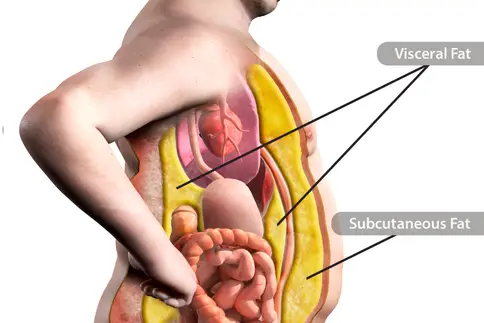
The converse is also true. Too much body fat can cause menstrual irregularities. Higher insulin levels seen in overweight and obese women can prevent ovulation, and this can usually be corrected by a modest reduction in weight (5-10% of body fat).
When in doubt about how much is too much or whether more needs to be done, contact your physician to get advice.View Thread
I took a hpt on Match 16th and it was a bfn. I started my period the next day. Throughout my period, it wasn't really all that heavy. There weren't a lot of clots like I usually have and it was a really dark red, with more of brown blood than red. My period ended yesterday but I'm still cramping. I've been excessively tired for the last 2 weeks. I've been having a lot of tummy troubles since Friday, 4 days now, and I've been super gassy. I've also had headaches and keep getting lightheaded. My breasts have remained farily normal. I woke up 3 days ago with a really sore lower abdomin like I'd been doing crunches all night and my back was hurting. Mind you, I was on the second to last day of my period but I've never had lower abdomin soreness. Even right now I'm having some soreness and I keep getting vaginal cramps every once in a while and cramps on my right side of my lower belly. I also think my hands might be a little swollen. I keep getting hot and I have had this god awful metallic taste in my mouth for the last 3 days as well. I had soft stools which I attributed to those oh-so-gross period poops. Oh, let's not forget my peeing once an hour.
I'm only mentioning all this because I have a 1 1/2 year old daughter who I had a period with in the very beginning of my pregnancy with her. I had a period on November 16th, 2010 and gave birth August 17, 2011, the day before my due date. Meaning my time of conception at Nov 10th, 2010. So I have a history of periods while pregnant.
So I guess what I'm wondering is has anyone else experienced a period and still been pregnant? My lower body is sore and I'm getting anxious to know what's going on. I'll be scheduling an appt in the next week if it doesn't pass.
Thanks everyone!View Thread
View Thread
(he's heart broken).... So im wondering, I had an Abortion 3 years ago due to the fact that i wasnt Financially stable and was living out of my car (didnt want to raise a baby that way) so im not sure if the abortion could have anything to do with my infertility.... Help?View Thread
Me and my husband have been trying for the past 3 months. I have been diagonised with PCOD. As of now it is only 3 cms but is growing to be bigger than 4 cms which might cause a problem to conceive. So my husband and I are trying for 6 months. If I do not succeed, I will need to start on medications.
My question is this. 1. I gym thrice a week. Mostly weights and a bit of core. Is there any exercise I should avoid while trying? 2. I play and often carry my niece who is a year old. I sometime carry him for more than an hour to make him sleep and feed him etc. The last couple of months I have been getting a bit of lower back pain. Does this have any effect on me getting pregnant?
Thank you!!!View Thread
Thnx, TinaView Thread
My husband is an optimist who, although he is upset about the lack of control and the time it is taking, is absolutely convinced that we will conceive soon. Every month he is sure the test will be positive.
I am losing hope. I think it was too hard to be so optimistic and so disappointed, and I have come to believe that even though we will go on trying this way for a few months before we see a specialist, we won't conceive. This has affected my sex life severely. Every time we have sex, I feel depressed because I am thinking about how we won't have a baby. I never initiate anymore, never particularly desire sex, and my husband is devastated. He thinks I am not interested in him, when really what I am not interested in is all of the build up and let down of hoping for a pregnancy every month.
What do you do to maintain a positive attitude, and to keep yourself interested in sex when it has to be planned to a particular schedule of ovulation? How do you encourage your partner and yourself - not being false and just saying things are OK when really you are depressed? How do you keep sex fresh and fun when you are trying to conceive?View Thread
Fertility treatment for women with PCOS is typically a two-pronged approach:
1. Weight loss through changes in diet and exercise can increase insulin sensitivity in obese women with PCOS. Sometimes, losing 5-10% of one's body weight can help women with PCOS ovulate on their own because their insulin sensitivity improves.
2. When weight loss is not enough to induce ovulation in women with PCOS, hormonal stimulation is needed. The first line treatment here is Clomid. Clomid typically induces ovulation in 70-80% of women with PCOS, and there is a 15% chance that women who respond to Clomid will have a live birth.
If you have PCOS and you have been struggling to get pregnant, you should seek assistance from a fertility specialist to talk about ways to increase your chances of getting pregnant. Sometimes, simple measures such as weight loss are all that is needed to help you conceive.View Thread
1. Ask your friends, family, colleagues, and physicians if they know other couples who have struggled with infertility, but subsequently conceived with the help of a great specialist. In my opinion, this is often the best route to take when seeking a specialist because your family and friends won't steer you wrong. Chances are if someone you know had a great experience with their fertility specialist, you will, too.
2. Find out a clinic's live birth success rates. This is usually easy to obtain because most fertility clinics report their success rates annually. A clinic's live birth rate can give you an idea of how effective their treatment protocols are and whether their laboratory is any good. In the end, it's only natural to seek assistance from someone who can help you get pregnant!
3. Meet with a few specialists before deciding on "the one." Choosing the right fertility specialist for you can take time. For some, this realization may come sooner as it becomes obvious that not all fertility specialists offer the same fertility services or have the same bedside manner. Remember, from start to finish, you will probably spend more time with your specialist than your partner. So, you want to make sure that your specialist is going to be by your side for the long haul and is readily accessible.
Needless to say, trying to get pregnant can be stressful and emotionally taxing especially when prior attempts have failed. Finding the right fertility specialist for you can take time, but it should always be your first step when you need help starting a family.View Thread
I'm 33 yrs old and my fiance is 34 and we have lost both of our little girls at 23W. The first on lost was 20 DEC 2011. Her heart stop and she was a still born. There was no cause for her death. The second lost was this year. I went into premature labor on 27Jan. The death certificate said very premature labor (b/c of the 23W) and chorioamnionitis. I'm wondering do I have some infertle problem? If it's something else, please let me know what I should talk to OB about. Thanks for your helpView Thread
Take the Poll
When timing does not appear to be an issue, implementing certain lifestyle changes may help to enhance natural conception. Extremes of weight (i.e. too thin or too heavy) can negatively affect fertility. We need a certain amount of body fat to reproduce and anything above or below this threshold can affect fertility. Implementing a healthy diet and regular exercise, 30 minutes per day five times a week, can sometimes help couples achieve their goal of pregnancy.
In addition, couples who are trying to conceive should not smoke and should limit their caffeine and alcohol intake. Smoking can reduce one's chance of getting pregnant by 50%, and increased caffeine intake (more than 5 cups/day) has been linked to longer times for conception and increased miscarriage rates. The effect of alcohol on natural conception is less clear, but excess alcohol consumption during pregnancy is associated with fetal alcohol syndrome.
Sometimes, just by implementing these few things, couples are able to conceive on their own without any assistance.View Thread
- My cycle is usually 24-26, and OPK + CD10, LP 14 days
- Last AF Feb 9-13
- But in Feb OPK was late CD 14 (feb 21)
- AF was due March 6 (CD25 by fertility friend) or March 8 (CD 28 if I take account late OPK)
- Tested negative March 5 and March 9 (tested with First Response)
- Today CD 31, still no AF. Tested this morning still negative (test with dollar test kit today)
Questions: How soon after that may I get off the pill and begin trying? Second question, do I need to do a detox of all the meds I'm on as well due to pain and imflammation...etc?? Also, does having cysts on my ovaries affect the chances or eggs?
Thank you!View Thread
See Related Trying to Conceive Communities
Women's Health Newsletter
Find out what women really need.
Featuring Experts
Helpful Tips
Related News
Related Drug Reviews
- Drug Name User Reviews
Report Problems to the
Food and Drug Administration
You are encouraged to report negative side effects of prescription drugs to the FDA. Visit the FDA MedWatch website or call 1-800-FDA-1088.
For more information, visit the Duke Fertility Center
Other Trying to Conceive Information
- Infertility & Reproduction Health Center
- Infertility Treatment Member Community Get Support From Members Like You!
- Trying to Conceive: 6 Months, Still Trying Member Community Get Support From Members Like You!
-
More Related Communities
The opinions expressed in WebMD User-generated content areas like communities, reviews, ratings, or blogs are solely those of the User, who may or may not have medical or scientific training. These opinions do not represent the opinions of WebMD. User-generated content areas are not reviewed by a WebMD physician or any member of the WebMD editorial staff for accuracy, balance, objectivity, or any other reason except for compliance with our Terms and Conditions. Some of these opinions may contain information about treatments or uses of drug products that have not been approved by the U.S. Food and Drug Administration. WebMD does not endorse any specific product, service, or treatment.
Do not consider WebMD User-generated content as medical advice. Never delay or disregard seeking professional medical advice from your doctor or other qualified healthcare provider because of something you have read on WebMD. You should always speak with your doctor before you start, stop, or change any prescribed part of your care plan or treatment. WebMD understands that reading individual, real-life experiences can be a helpful resource, but it is never a substitute for professional medical advice, diagnosis, or treatment from a qualified health care provider. If you think you may have a medical emergency, call your doctor or dial 911 immediately.
Health Solutions From Our Sponsors
©2005-2013 WebMD, LLC. All rights reserved.
WebMD does not provide medical advice, diagnosis or treatment. See additional information.