






See All
Preferences
My Communities
My Discussions
My Email Digests

1. Family History. Who would have thought that having twins in the family could help increase your chances of having multiples? Twins can be hereditary -- especially if there is a family history of twins -- but it is not an absolute predictor of whether you will also have twins. But, it's always great to know a set of twins!
2. Maternal age. Older women are also likely to have multiples because of hormonal changes that occur during the late reproductive years. Higher circulating levels of follicle stimulating hormone (FSH) can stimulate the growth and development of more than one follicle during a cycle, and subsequently lead to the release of more than one egg. If this occurs, both eggs can fertilize at the same time and result in twins.
3. Fertility Treatments. Fertility treatment can also increase the likelihood of conceiving multiples. Certain fertility treatments are designed to stimulate a woman to produce more than one egg each cycle which can result in multiples. With in vitro fertilization, twin births can approach 30% and it is about 2-3% for triplets or greater. However, the multiple rate seen with in vitro fertilization can be reduced by transferring a single advanced embryo, while still being able to achieve a high success rate in a select group of women.View Thread

There isn't a specific diet that you need to follow while trying to conceive, however, these sensible principals always hold true:
Eat a nutrient-rich diet that is well balanced. Make sure that you are getting 5 servings of fruits and vegetables a day while trying to minimize your fat, sugar, and salt intake.
If you are overweight or obese, cut-back on saturated fats and carbohydrates. Implement a low-fat diet and one that is high in fiber. Exercise is just as important here, too. Sometimes, just losing 5-10% of your body weight is all that is needed to help you conceive.
Cut-back on your caffeine consumption. Most of us cannot start our day without a cup of "Joe," but you may need to if you want to conceive. Too much caffeine a day (more than 300mg/day) has been linked to an increased rate of miscarriages and low birth weight. Do not forget that tea, cocoa, and of course chocolate counts, too.
Cut-back on alcohol intake. A glass of wine can probably do all of us some good, but the effect of alcohol on fertility is inconclusive. If you are trying to get pregnant or if you have been having a hard time trying to conceive, it is probably best to eliminate alcohol intake. You will have plenty of time after the pregnancy to have a nice glass of wine again.
Steps taken from now will only help to ensure a healthy pregnancy and a healthy baby. When in doubt, you should always contact your physician before making any dietary changes while you are trying to conceive.View Thread

It's possible that the change in your menstrual cycle could be due to your recent pregnancy loss. However, I recommend that you undergo a hormonal evaluation to make sure that there isn't an underlying endocrine disorder that could explain what's been going on with your cycles.View Thread

I wouldn't wait any longer to be tested. There could be an underlying ovulation disorder and/or male factor infertility. I would contact a fertility specialist to discuss your next step.View Thread


I would discuss this further with your physician at your annual visit in May.View Thread

Here's what I always tell them: Conception can occur with any sexual position as long as sperm is present! Sexual positions that get sperm closer to the cervix, such as the missionary position, do not increase your chances of getting pregnant because the majority of sperm that is deposited in the vagina during intercourse find their way to the egg within minutes. Just having sperm present in the vaginal vault, at the right time, is all that is needed for couples to conceive.
Likewise, different sexual positions do not increase your chances of having a boy or a girl. Some have postulated that certain sexual positions that get sperm closer to the cervix can pre-select for a boy, since Y-bearing sperm move faster than X-bearing sperm. This seems reasonable, since the quickest sperm should meet-up with the egg first. However, the gender of the child can only be determined by whether the "best" X or Y-bearing sperm meets up with an egg that is waiting to be fertilized, and this is not always the fastest sperm.
In the end, our ability to have a child or to predetermine gender is left to fate. But, in this case, it doesn't hurt to tempt fate.View Thread

I hear this over and over again from couples who struggle with infertility and are faced with the constant reminder of not being able to fulfill their dream of starting a family of their own. The psychological effects of having difficulty conceiving can weigh heavily on couples who are faced month after month with repeatedly negative pregnancies tests, even though they are doing everything possible to maximize their chances of getting pregnant.
Couples who struggle with infertility can experience anxiety, depression, and feelings of worthiness and loneliness. When faced with these emotions it can cause couples to start to lose sight of the "bigger picture," and it can put strains on their relationships with friends and loved ones. It may even lead to problems at work, especially when failed attempts at getting pregnant are faced with anger by your boss for time taken off to go to scheduled doctor appointments.
When faced with the uncertainty of getting pregnant and feelings of loneliness and despair, it is important to remember that you are not alone and to seek help from a therapist or support group that deals with infertility as you continue your journey to start a family. And, remember, it is OK to take breaks when they are needed especially if they help to remind you of your commitment to becoming a parent.
View Thread

When going for a fertility evaluation, couples should go to the initial visit together. Each partner will be asked about their past medical and surgical histories, reproductive history, current medication use, and about their respective lifestyles (i.e. alcohol and tobacco use or toxic and infectious exposures). Being prepared to answer these questions can help your physician determine the next steps in helping you to conceive.
After the initial intake, the fertility specialist will then counsel couples about the basic components of the infertility evaluation and discuss some of the major causes of infertility. Four things that need to be ascertained in order to help couples conceive are:
1. Is sperm present and what is its quality?
2. Are the fallopian tubes open?
3. How well are the ovaries working (i.e. are there eggs present and are they the best quality eggs)?
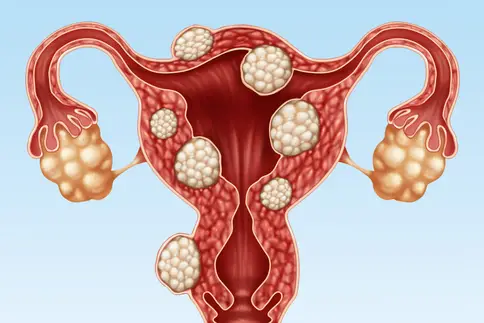
4. Is there anything inside the uterine cavity that could affect implantation (i.e. polyp or a fibroid)?
These questions can usually determine if there is a problem that may impair or prevent pregnancy from happening and whether additional testing is required. Once a specific diagnosis has been made, a treatment plan will be made that takes into consideration the female age, the duration of infertility, past history, and the patient's wishes.
Going into the initial visit with these few pointers, should help you feel more at ease. Remember, your specialist will be with you from start to finish and hopefully will leave you feeling as though all of your expectations have been addressed.View Thread

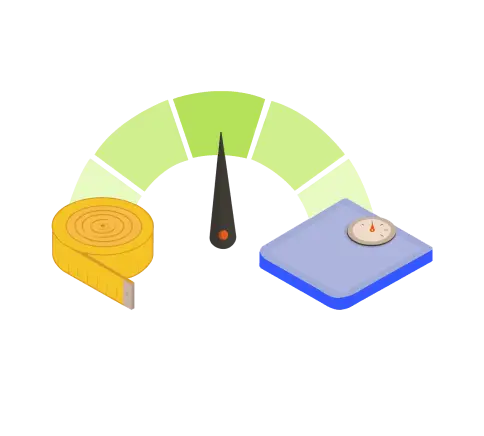
Like anything else, too much or too little of something is not always good for us. When done in moderation, exercise is unlikely to impact our ability to conceive. The body needs a certain amount of body fat to reproduce, and too little body fat can cause women not to ovulate regularly and can even cause complete cessation of menses. This can cause women to have difficulty conceiving unless they regain weight.
The converse is also true. Too much body fat can cause menstrual irregularities. Higher insulin levels seen in overweight and obese women can prevent ovulation, and this can usually be corrected by a modest reduction in weight (5-10% of body fat).
When in doubt about how much is too much or whether more needs to be done, contact your physician to get advice.View Thread
See Related Trying to Conceive Communities
Women's Health Newsletter
Find out what women really need.
Other Trying to Conceive Information
- Infertility & Reproduction Health Center
- Infertility Treatment Member Community Get Support From Members Like You!
- Trying to Conceive: 6 Months, Still Trying Member Community Get Support From Members Like You!
-
More Related Communities
The opinions expressed in WebMD User-generated content areas like communities, reviews, ratings, or blogs are solely those of the User, who may or may not have medical or scientific training. These opinions do not represent the opinions of WebMD. User-generated content areas are not reviewed by a WebMD physician or any member of the WebMD editorial staff for accuracy, balance, objectivity, or any other reason except for compliance with our Terms and Conditions. Some of these opinions may contain information about treatments or uses of drug products that have not been approved by the U.S. Food and Drug Administration. WebMD does not endorse any specific product, service, or treatment.
Do not consider WebMD User-generated content as medical advice. Never delay or disregard seeking professional medical advice from your doctor or other qualified healthcare provider because of something you have read on WebMD. You should always speak with your doctor before you start, stop, or change any prescribed part of your care plan or treatment. WebMD understands that reading individual, real-life experiences can be a helpful resource, but it is never a substitute for professional medical advice, diagnosis, or treatment from a qualified health care provider. If you think you may have a medical emergency, call your doctor or dial 911 immediately.
Health Solutions From Our Sponsors
©2005-2013 WebMD, LLC. All rights reserved.
WebMD does not provide medical advice, diagnosis or treatment. See additional information.