





See All
Preferences
My Communities
My Discussions
My Email Digests

In addition to the healthy foods and nutrients you mentioned, it's very important that you get 1,000 milligrams of calcium and 400 - 800 international units of vitamin D every day. Since you have experienced bone loss, you might also ask to have your vitamin D levels checked to see if you need more vitamin D. Here are links to detailed information on these topics:
www.nof.org/aboutosteoporosis/prevention/calcium
www.nof.org/aboutosteoporosis/prevention/vitamind
Treating bone loss in young premenopausal women is complicated. That's why it's important that you work closely with a qualified healthcare provider, such as an endocrinologist, who has experience treating osteoporosis in younger women. You mentioned that your hormone levels are low, so you might also think about seeing a knowledgeable reproductive endocrinologist.
All of the FDA-approved drugs currently available are approved for use in postmenopausal women and several are approved for men. Osteoporosis medications have mostly been studied in postmenopausal women since they are most often affected by osteoporosis. Because we have less information about the safety and effectiveness of osteoporosis medications in younger women, these medications should be used with caution in premenopausal women. You can read about the differences between Prolia and Reclast by visiting our website at www.nof.org/aboutosteoporosis/managingandtreating/medicinesneedtoknow . While these drugs are very different from one another, both are antiresorptive medications, meaning that they slow the breakdown of bone which helps to reduce the risk of fracture. These drugs have not been studied against each other in head-to-head trials. Therefore, they cannot be compared to each other to know if one works better. Their side effects differ and are described in the link provided.
You might want see if there are any clinical trials in your area studying premenopausal women with bone loss. You can look for trials at http://clinicaltrials.gov . Finally, you might benefit from reading NOF's information about bone loss in young adult women. This information is available at www.nof.org/aboutosteoporosis/whatwomencando/youngadultwomen .
I hope this information is helpful to you.View Thread


The Patient Advocate Foundation
Visit www.copays.org or call (866) 512-3861
Partnership for Prescription Assistance (PPA)
Visit www.pparx.org or call (888) 477-2669
NeedyMeds
Visit www.NeedyMeds.com
In addition, if you haven't contacted the drug company that manufacturers your medication, they may also be able to help. Here is contact information for the drug manufacturer patient assistance programs:
(800) 521-8813 Actonel, Warner Chilcott
www.pgpharma.com/patient_assistance.shtml
(888) 587-9438 Boniva, Genentech
www.rochereimbursement.com
(800) 545-6962 Evista, Eli Lilly
www.lillycares.com
(877) 214-3475 Forteo, Eli Lilly
www.lillycares.com
(800) 245-5356 Miacalcin, Novartis
www.patientassistancenow.com
(877) 776-5421 Prolia, Amgen
www.proliaplus.com
(800) 245-5356 Reclast, Novartis
www.patientassistancenow.com
*Merck no longer offers financial assistance for Fosamax due to the availability of generic versions. Upsher-Smith also does not offer financial assistance for Fortical.View Thread

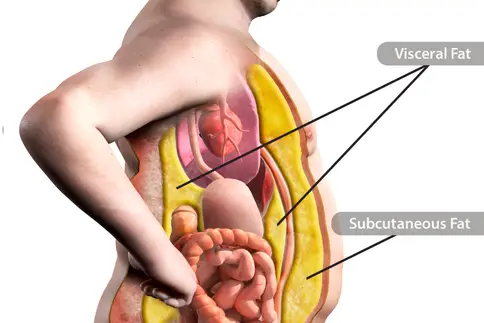
We're not aware of this possible side effect from taking Forteo. I checked the drug's prescription insert, which includes a comprehensive list of side effects that were reported in the clinical studies, and I didn't see any reports of increased belly fat, weight gain, adiposity, etc. You should discuss your concerns with your healthcare provider. Your pharmacist is another excellent resource for any questions related to your medications.View Thread

General overview about exercise and bone health: http://www.nof.org/aboutosteoporosis/prevention/exercise
Exercise examples for people with osteoporosis:
http://www.nof.org/aboutosteoporosis/prevention/exercise
http://www.nof.org/aboutosteoporosis/movingsafely/exercisesforthespine
http://www.nof.org/aboutosteoporosis/movingsafely/spinestrengthening
NOF's handbook "Boning Up on Osteoporosis" contains 22 exercise examples with step-by-step instructions. You can purchase a copy for $1 plus shipping and handling by visiting the NOF Store .View Thread


Winter 2008 Osteoporosis Report Newsletter . I hope it is helpful to you!View Thread

We hope this information is helpful to you and your grandmother.View Thread

This is an increase from the previous IOM recommendations that cited 200 to 400 IU per day for healthy adults under age 71 and 600 IU per day for those age 71 and older. Since 2008, NOF has recommended that healthy people age 19 to 49 get 400 to 800 IU of vitamin D every day; and that adults age 50 and older get 800 to 1,000 IU every day.
NOF's recommendations for daily intake remain higher than IOM's but fall well within the margin of safety.
The IOM report issued on November 30, 2010 set the safe upper limit for daily intake to be 4,000 IU. The IOM report did not address the vitamin D requirements for high risk individuals or those who require treatment. NOF strongly recommends that you consult with your healthcare professional for your particular requirements.
NOF applauds IOM for their comprehensive review of the evidence supporting their updated recommendations for vitamin D and calcium intake.
Read NOF's Bone Basics on Vitamin D to learn more by visiting
http://www.nof.org/sites/default/files/bonebasics/NOF_BoneBasics_VitaminD.p df
View Thread
See Related Women's Health Communities
Women's Health Newsletter
Find out what women really need.
Other Osteoporosis Information
More Related Communities
The opinions expressed in WebMD User-generated content areas like communities, reviews, ratings, or blogs are solely those of the User, who may or may not have medical or scientific training. These opinions do not represent the opinions of WebMD. User-generated content areas are not reviewed by a WebMD physician or any member of the WebMD editorial staff for accuracy, balance, objectivity, or any other reason except for compliance with our Terms and Conditions. Some of these opinions may contain information about treatments or uses of drug products that have not been approved by the U.S. Food and Drug Administration. WebMD does not endorse any specific product, service, or treatment.
Do not consider WebMD User-generated content as medical advice. Never delay or disregard seeking professional medical advice from your doctor or other qualified healthcare provider because of something you have read on WebMD. You should always speak with your doctor before you start, stop, or change any prescribed part of your care plan or treatment. WebMD understands that reading individual, real-life experiences can be a helpful resource, but it is never a substitute for professional medical advice, diagnosis, or treatment from a qualified health care provider. If you think you may have a medical emergency, call your doctor or dial 911 immediately.
Health Solutions From Our Sponsors
©2005-2013 WebMD, LLC. All rights reserved.
WebMD does not provide medical advice, diagnosis or treatment. See additional information.