




See All
Preferences
My Communities
My Discussions
My Email Digests

In addition to all of the added physical challenges of trying to keep up with the Holiday rush, I think this can be a very stressful time of year, as well. That stress can come from many different places including family, finances, winter weather, and just trying to keep up with everything. Keeping stress levels down can help keep pain under control. Exercise can help boost mood and lower stress, too.
Air travel can also be a source of stress and physical wear and tear. I recommend always trying to give yourself as much time for everything as possible. Show up early to check in so you don't have to rush and fight through crowds. Consider checking in bags as opposed to hauling heavy carry-ons around. Drink lots of water every chance you get to stay hydrated, and stand up and move around whenever you have the chance. Bringing relaxing music and a TENS unit certainly seems reasonable if they are available.
Your friends and family will most appreciate the fact that your thoughts are with them above all else.View Thread

If I am understanding you correctly that you need help for acute pain when you are at the hospital, then I can suggest a few options for you to talk to your doctors about. In the opioid family, fentanyl is less likely to cause histamine release and lead to the dangerous consequences that you may have experienced with the pain medications that you listed above. Fentanyl can be administered intravenously in a monitored setting like an OR, ICU, or ER.
Intravenous Toradol can be a non-opioid alternative for acute pain. It is a very strong intravenous anti-inflammatory in the ibuprofen family but can relieve pain associated with some surgeries or procedures. Unfortunately, it has a bleeding side effect and can't be used in all surgical situations.
If you have an anesthesiologist present and need something strong that is non-narcotic, then IV ketamine can be an option under special circumstances. Only an anesthesiologist should administer ketamine, though.
I would suggest that you talk to your doctors about fentanyl as the first alternative to consider in the future.View Thread

So back to the running. Some of the potential pain relieving benefits may come from the natural endorphins, distraction, mentally focusing on something like the road in front of you, being outdoors, socialization if you run with others, and positive neurotransmitters from the ego boost of doing something that you are really good at. There is a mind/body connection between you and your running that leaves you with a sense of well-being.
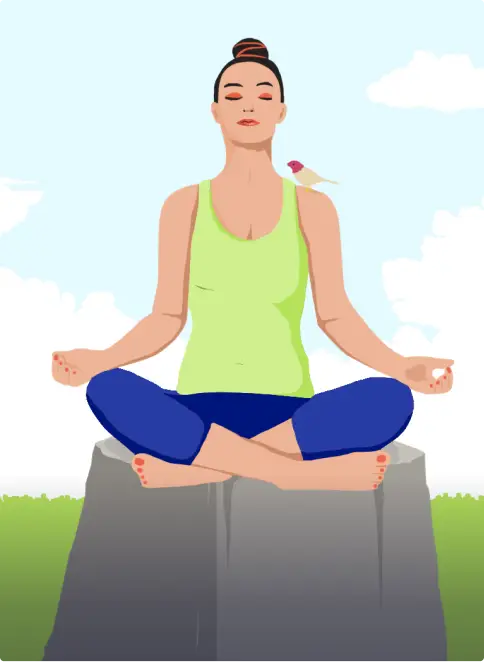
Since you can't run 24/7 like Forest Gump, you can look to other pursuits that you can do during the day that may have a similar benefit. Some examples to consider that I see as helpful include meditation, breathing exercises for flare-ups, yoga, and tai chi. Doing other activities that require mental focus may also help. Consider taking a Mindfulness-Based Stress Reduction course for further education.View Thread

As a point of interest, I had a bout of tennis elbow, and to be honest, it really lasted several months before resolving.View Thread

Dr. Michele Jehensen is a facial pain specialist and a colleague of mine. She advises that one of the most common cause of spasming around the jaw is dental work. Sometimes this leads to malalignment of the jaw which may need to be corrected. You may want to check in with your dentist if you haven't seen him/her recently.
Here is more information to read about from WebMD: http://www.webmd.com/oral-health/guide/temporomandibular-disorders .View Thread

I would not be able to say whether or not neck surgery is a good option for your particular problem. One bit of advice though is don't feel like you need to have surgery just because you have tried other options and your neck still hurts. Spine surgery is a big step and it isn't necessarily always the best way to treat a chronic pain problem that hasn't improved.
Try to be really clear with your doctors as to what they expect to see accomplished by the surgery so that your expectations are aligned. Also, don't forget to talk about what the long-term implications look like for you with and without surgery. For example, does your surgeon anticipate you needing another surgery on your neck down the road if you have the first one?View Thread

Learning some approaches to calm down the central nervous system can improve the management of fibromyalgia, an anxiety disorder, and generalized stress. One program that has demonstrated good success with this and also been shown to be effective in treating chronic pain is called Mindfulness-Based Stress Reduction (MBSR), This is an 8 week program that can be found in many communities now and the whole program usually runs a few hundred dollars.
There have also been recent studies published on using tai chi and certain types of gentle yoga to improve the management of pain disorders like fibromyalgia. In my own practice, I have found tai chi to be a great activity to help patients become more active and lower their pain. You may find affordable classes at a local community center that you can take advantage of.
As Annette has already suggested, getting the right books can also be a big help. In addition to what was recommended, I can also suggest "Full Catastrophe Living" by Jon Kabat Zin, and of course my own book "Take Charge of Your Chronic Pain." Amazon usually sells these at big price reductions.
Medications can be very expensive, especially the newer ones, but they don't always do a great job improving the quality of our lives. Certainly, working with your doctors to just stay on the ones that are really helping can free up some money for other things when finances are tight.
Lastly, remember that as a nurse you have a wonderful skill set, and that your talents could lead you to a modified version of the job that you loved for so many years. Health care is a growing and evolving industry with many opportunities.View Thread

I'm sorry that you have been so frustrated. It sounds like you have worked really hard at managing this problem, One thing that I sometimes remind my patients is that unfortunately modern medicine and doctors don't know everything. We often wish that we could do more to help our patients, but science has a long ways to go to better understand chronic pain and how to do a better job treating it.
One approach that could help you communicate with your doctors is to focus on some of the goals that you have. For example, you mentioned activities like grocery shopping and showering that are difficult to perform right now. Perhaps you and your providers can come up with a list of important goals that can help improve quality of life factors and diminish the impact that the pain is having in your daily activities. Sometimes we need to start with small steps to get to where we want to go, but they truly will add up for you in the long run.View Thread

The most effective pain management often involves working on improving how the body moves and functions in conjunction with improving the emotional health and well-being of the person in pain. The mind/body connection is important to recognize but it is also something that you can take advantage of to help create the type of progress that you are looking for. Talk to your doctors about other ways that you can get your body more active again including options like physical therapy, tai chi, and walking, and also look for help in treating your depression, perhaps by working with a psychologist who understands chronic pain.
I think you will find that as your body gets more active, that your emotions will also improve, and at the same time, as your depression improves then your pain will, too. While your pain is very real, it is important (but also very challenging) to focus on your goals and to build a plan that will lead you to them in a healthy way.View Thread

For example, if you are working, then your work station may be playing a role in your neck pain. Are you taking frequent breaks from repetitive computer use? Is your work station set up with good ergonomics? Are you tensing your neck from stress? Do you get enough exercise and physical activity to allow for good circulation and movement of the muscles and tissues around your neck? Are you getting enough sleep and eating anti-inflammatory foods?
Certainly, it sounds as if your neck has already been through a lot, and the effects of the past surgeries also play an important role that needs to be taken into careful consideration, but also try to build a step by step approach to understanding how other factors may play a role and learn more about what you can do to overcome them. By building greater knowledge about yourself and developing more tools, that will help you feel less frustrated and in more control of things.View Thread
See Related Pain Management Communities
Women's Health Newsletter
Find out what women really need.
Other Pain Management Information
More Related Communities
The opinions expressed in WebMD User-generated content areas like communities, reviews, ratings, or blogs are solely those of the User, who may or may not have medical or scientific training. These opinions do not represent the opinions of WebMD. User-generated content areas are not reviewed by a WebMD physician or any member of the WebMD editorial staff for accuracy, balance, objectivity, or any other reason except for compliance with our Terms and Conditions. Some of these opinions may contain information about treatments or uses of drug products that have not been approved by the U.S. Food and Drug Administration. WebMD does not endorse any specific product, service, or treatment.
Do not consider WebMD User-generated content as medical advice. Never delay or disregard seeking professional medical advice from your doctor or other qualified healthcare provider because of something you have read on WebMD. You should always speak with your doctor before you start, stop, or change any prescribed part of your care plan or treatment. WebMD understands that reading individual, real-life experiences can be a helpful resource, but it is never a substitute for professional medical advice, diagnosis, or treatment from a qualified health care provider. If you think you may have a medical emergency, call your doctor or dial 911 immediately.
Health Solutions From Our Sponsors
©2005-2013 WebMD, LLC. All rights reserved.
WebMD does not provide medical advice, diagnosis or treatment. See additional information.